
by Alan Torretto
One of my favorite things to do as I walk through Blue Sky is to look on rocks, tree branches and soil banks for lichens. They are some of the Earth’s most fascinating and unique forms of life because they are a combination of two organisms living as one.
Lichen Basics- Lichens are an example of symbiosis: A mutualistic partnership between a FUNGUS which provides structure, shelter, and absorbs moisture, and algae or cyanobacterium which performs photosynthesis to provide food.
The illustrations below show the internal structure of a lichen.
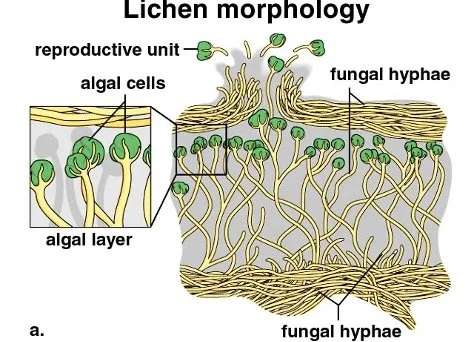
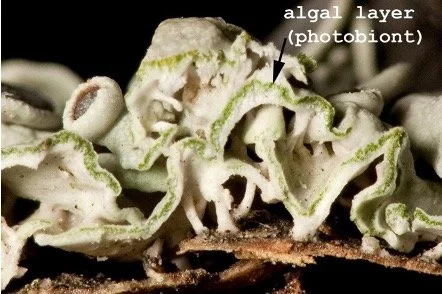
They lack roots, stems, or leaves, absorbing moisture directly from the atmosphere. They are extremely versatile in their habitats, growing on rocks, tree bark, soil, and bare wood. Lichens that contain cyanobacteria can fix atmospheric nitrogen and play a crucial role in their habitat’s nutrient cycle.
Lichens come in three basic shapes:
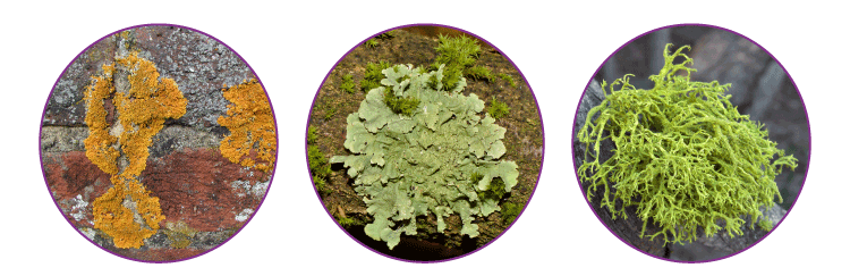
Crustose (crust like) Foliose (leaf like) Fruticose (branching)
Lichens are a pioneer species. They are the first organisms to colonize bare, lifeless rocks. They start primary succession by secreting acids that weather the rocks, initiating soil formation.
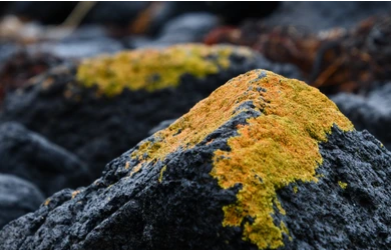
Lichens forming on bare volcanic rock
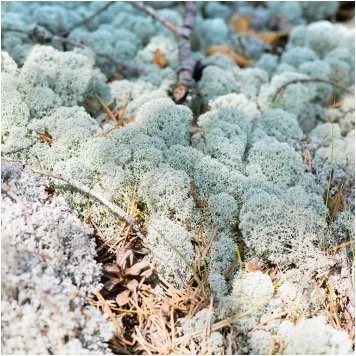
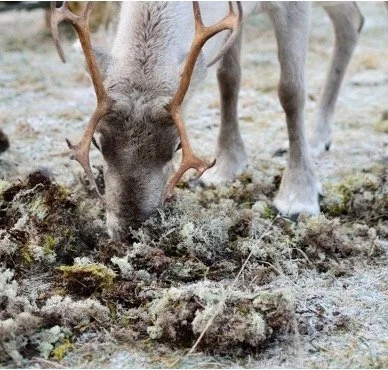
Lichens are the dominant form of vegetation in the Arctic tundra. Reindeer moss, which is a lichen not a moss, is the staple winter food for caribou.
Examples of lichens found at Blue Sky
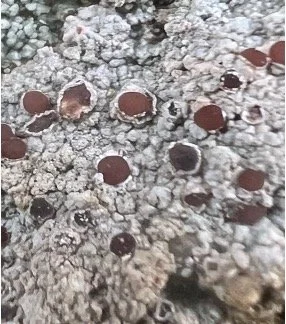
Trapelia coarctata
Found growing on rocks, sometimes near mosses. Its circular brown structures are Ascocarps which are the reproductive structures of lichen.
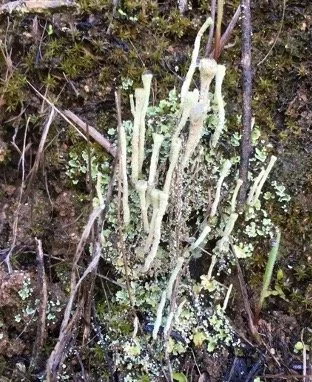
Mealy Pixie Cup
Cladonia chlorophaea My favorite lichen found in Blue Sky growing on north facing slopes. The “cups” are reproductive structures.
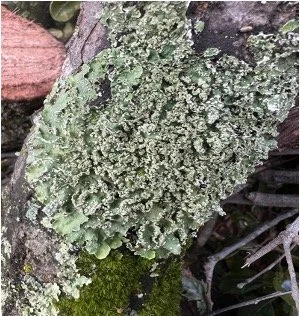
Speckled Greenshield
Flavopunctelia flaventior Common species of foliose lichen is usually found growing on branches throughout Blue Sky.
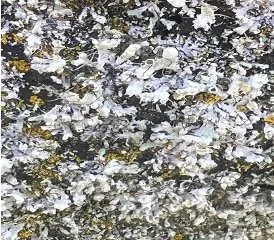
Hooded Rosette Lichen
Physcia adscendens This species of foliose lichen has a broad ecological tolerance and can grow on various substrates including granite rocks, limestone monuments and tree bark.
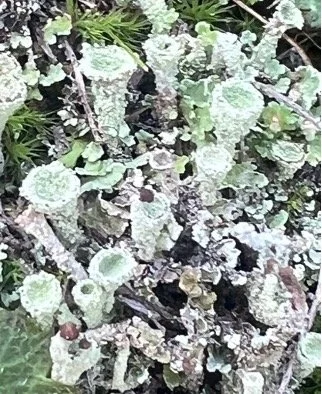
Trumpet Lichen
Cladonia fimbriataIt This “tall” lichen has elongated reproductive structures shaped like a trumpet. Grows on moist north facing slopes. Not as common as its “cousin” the Pixie Cup.
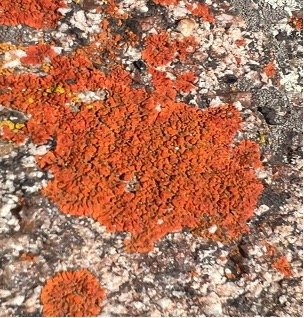
Flame Fire Dot Lichen
Polycauliona ignea One of Blue Sky’s rarer lichens, this crustose lichen is only found in Southern California and Baja Mexico.
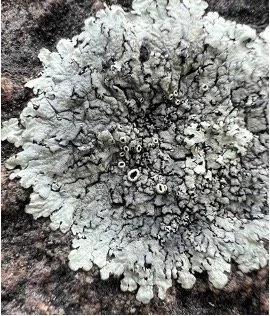
Cumberland Rock Shield
Xanthoparmelia cumberlandia This lichen is very common on granite boulders. It produces very strong acids that slowly break down the rock.